Narrowboat edition · free planner
Size your narrowboat battery bank and solar for the way you cruise
Tick what you run, say how long between engine runs or shore power, and get battery, solar, inverter, cable and fuse sizes. Free, no signup, with the Boat Safety Scheme and insurance points that catch people out.
- Lithium and lead-acid sized side by side
- Fuse and cable sizes for the inverter and the main bank
- Covers the insurer wording on unattended lithium charging and the BSS points
Loading planner…
Worked example
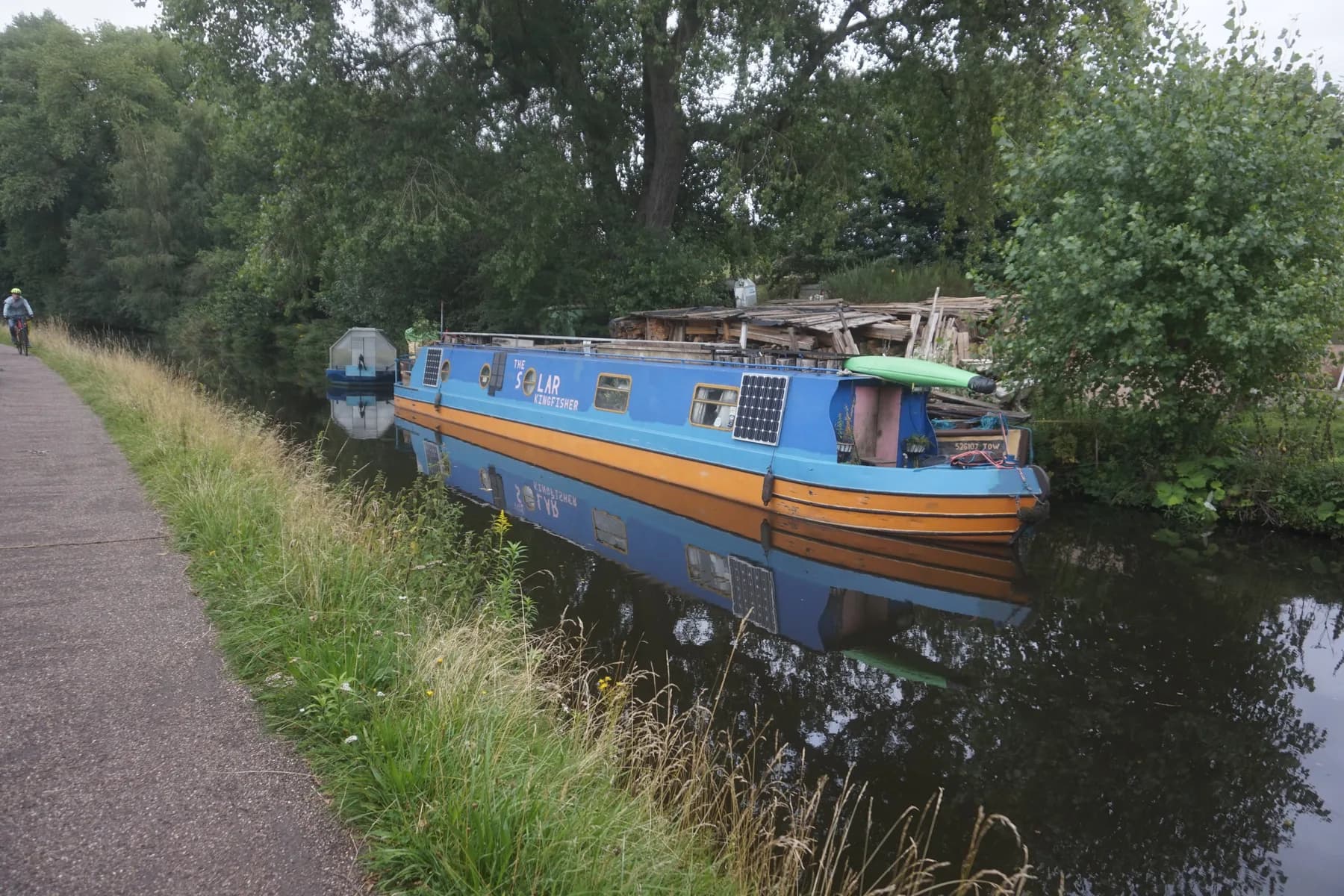
Continuous cruiser, engine every other day
- Fridge, lights, pumps, heater fan, phones, TV: about 1,000 Wh a day.
- Two days between engine runs on lithium: a 230 Ah bank. Lead-acid needs 400 Ah for the same result and dies sooner if you keep flattening it.
- A washing machine or immersion heater changes everything: that is a 2 kW inverter and 70 mm² cable.
The sums behind it
- Fusing
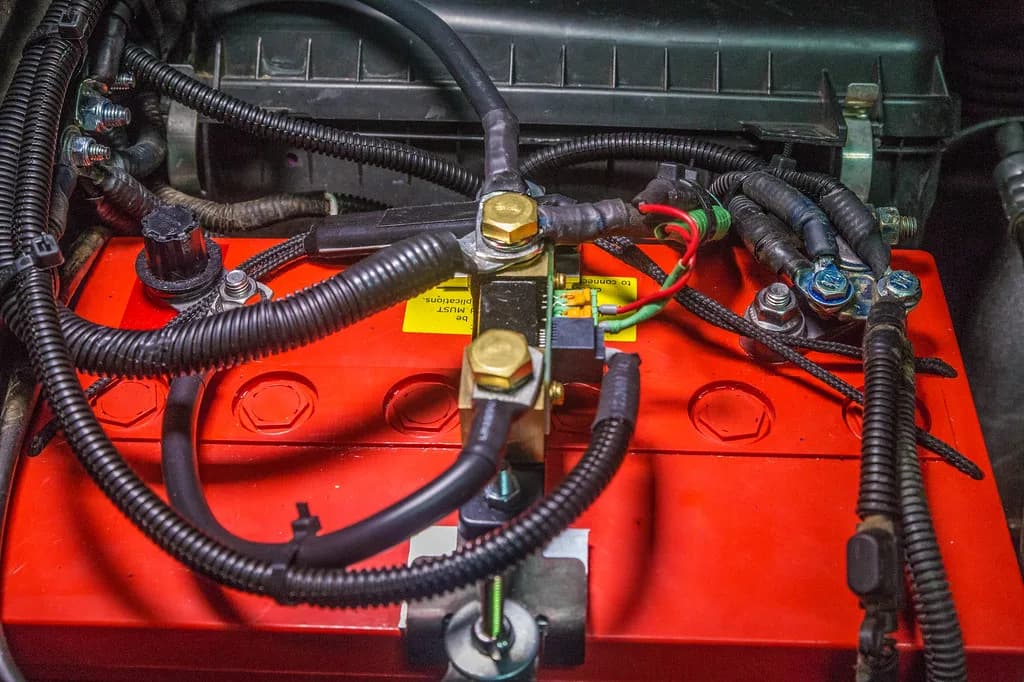
- Main fuse within 18 cm of the battery positive (ABYC E-11 §11.10; BS EN ISO 10133 for boats), rated at or below the cable's ampacity source
- Voltage drop
- 3% maximum on the inverter run, copper resistivity 0.0175 Ω·mm²/m, two-way run length source
- UK sun
- Peak sun hours from the EU PVGIS dataset for central England, flat panel, derated 30% for dirt, angle and cloud source
- Usable capacity
- LiFePO4 80% depth of discharge, lead-acid 50%; manufacturers' cycle-life curves
- Inverter
- 88% conversion efficiency, 10 W idle draw, 25% headroom on the loads likely to run together
Before you buy
Will my insurer cover lithium batteries?
Some policies exclude unattended charging of lithium, which clashes with solar charging while you are off the boat. Read the wording, ask before you fit, and get the answer in writing. The planner flags this on the narrowboat edition.
What does the Boat Safety Scheme examiner look at on the electrics?
Battery security and ventilation, fusing close to the battery, cable sizing and support, isolation switches, and that nothing can arc near gas. A lithium bank with an accessible, ventilated BMS and proper main fusing passes; a loose bank in a sealed locker does not.
Lead-acid or lithium for a narrowboat?
Lead-acid is cheaper up front and forgiving, but you get half the label capacity and it ages fast if you keep flattening it. Lithium gives 80% usable, charges faster off the engine, and lasts years longer, but needs low-temperature protection and an insurer who accepts it.
How much solar can a narrowboat carry?
Most boats fit 500 to 1,000 W on the roof. In summer that covers a fridge, lights and phones with room to spare; in winter it is a top-up and the engine or shore power does the work.
Who made this
Off-Grid Sums is a Bloor Built product. The sums were written by a controls engineer who runs a camper off-grid year round and has spent thirty years on industrial control and power systems. It is a planning aid: check the output against your own kit, and use a competent installer and your Boat Safety Scheme examiner for the final word.